By Kevin Mack | Paranormal Researcher and Folklore Writer | Updated: June 3, 2026
Kevin Mack writes about ghosts, Southern folklore, paranormal traditions, spiritual beliefs, and unexplained legends with a focus on clear research, cultural context, and practical understanding.
Contents
- Key Takeaways
- Introduction
- What Is Haint Blue and Why Are Haints Afraid of It?
- What Is a Haint in Southern Folklore?
- Why Does the Color Blue Matter in Haint Folklore?
- Why Haint Blue Matters in Gullah Geechee Culture
- What Are the Main Reasons Haints Are Believed to Avoid Blue?
- Main Signs and Indicators of Haint Blue Traditions
- How to Understand and Use Haint Blue in Real Life
- Common Myths and Misconceptions About Haint Blue
- Expert Insights About Why Haint Blue Still Matters
- Related YouTube Video
- Haint Blue Meaning Comparison Table
- Best Practices for Using Haint Blue Respectfully
- People Also Ask:
- Conclusion
- Sources and References
- About the Author
Key Takeaways
- Haints are restless spirits in Southern and Gullah Geechee folklore, and haint blue is believed to keep them away.
- The color blue was traditionally thought to mimic water or sky, both of which were believed to confuse or block spirits.
- Haint blue is strongly connected to Gullah Geechee culture, especially in the coastal South.
- People often paint porch ceilings, doors, shutters, and window frames haint blue for spiritual protection, tradition, beauty, or all three.
- There is no scientific proof that blue paint repels ghosts, but the tradition remains culturally meaningful.
- Modern homeowners often use haint blue as a way to honor folklore, preserve Southern history, and create a calm, welcoming home.
Introduction
Why are haints afraid of the color blue? Haints are believed to fear haint blue because the color mimics water or sky, which Southern folklore says can confuse or repel restless spirits from entering a home.
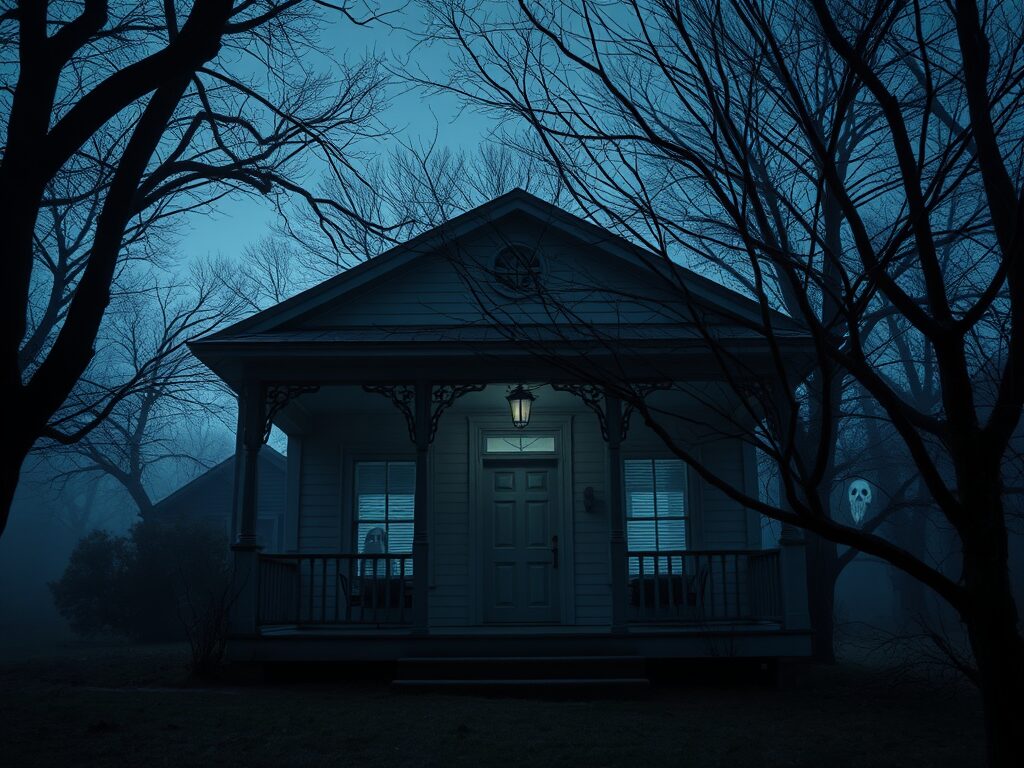
Few Southern folklore traditions are as interesting as the belief that haints are afraid of the color blue. If you have ever seen a pale blue porch ceiling in the South, especially in old coastal towns, you have probably seen this tradition without even realizing it.
The short explanation is simple. Haints are believed to avoid the color blue because it reminds them of water or sky. In many folk traditions, spirits cannot cross water, and a blue ceiling or doorway could confuse a wandering spirit into turning away.
I have studied many ghost legends over the years, and haint blue stands out because it is not just a ghost story. It is a blend of spiritual belief, African American history, Gullah Geechee culture, Southern architecture, and protective folk practice.
It is one of those traditions that lives in plain sight. You may see it on a porch and think it is just a pretty paint color, but behind it is a much deeper story about protection, memory, and the unseen world.
Haints are believed to be afraid of the color blue because haint blue was thought to mimic water or sky. In Southern and Gullah Geechee folklore, restless spirits could not cross water or were confused by blue ceilings, doors, and windows, which helped keep them away from the home.
What Is Haint Blue and Why Are Haints Afraid of It?
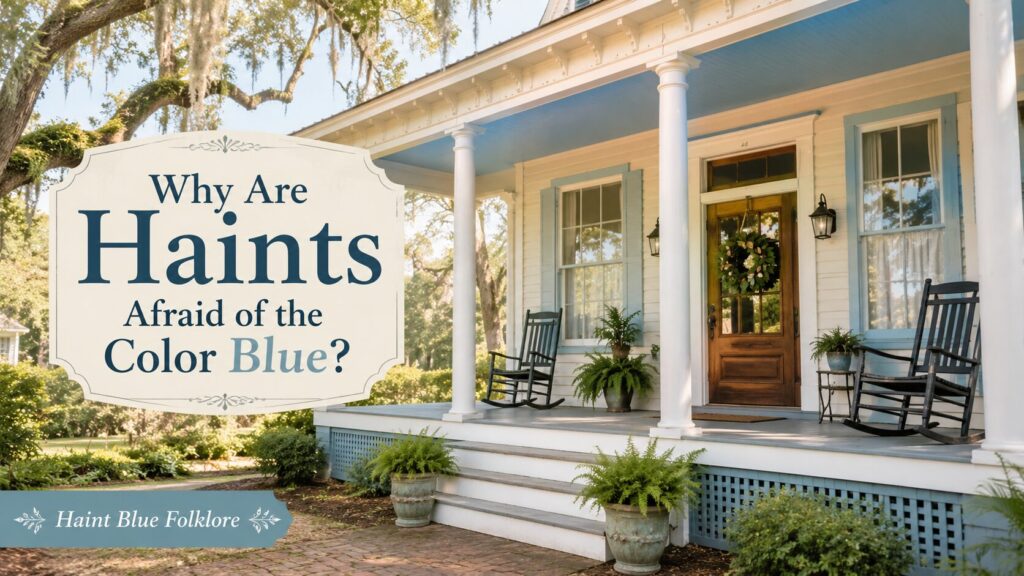
Haint blue is a pale blue, blue green, or soft aqua paint color traditionally used on porch ceilings, doors, shutters, and window trim in the Southern United States. The word “haint” is a Southern variation of “haunt,” meaning a ghost, restless spirit, or troublesome supernatural presence.
In folklore, haint blue works as a protective color. People believed it could stop spirits from entering a home. The color was not random. It was chosen because blue could represent two powerful natural barriers.
First, blue could represent water. Many spirit traditions say that ghosts, evil spirits, or harmful supernatural forces cannot cross water.
Second, blue could represent the open sky. A porch ceiling painted blue might trick a spirit into thinking there was no solid entry point, causing it to pass by instead of entering the house.
This belief is especially tied to the Gullah Geechee people, descendants of enslaved West and Central Africans who developed a rich culture along the coastal areas of South Carolina, Georgia, North Carolina, and Florida.
Their spiritual traditions, language, foodways, music, and folklore helped shape many Southern customs that still exist today.
Haint blue matters because it is more than a paint trend. It is a living piece of folklore. It shows how people used color, symbolism, and spiritual belief to make the home feel protected.
What Is a Haint in Southern Folklore?
A haint is usually described as a ghost, restless spirit, or supernatural presence that lingers near the living. In some traditions, a haint is not just a harmless ghost. It may be seen as something troublesome, disturbing, or even dangerous.
The meaning can change depending on the region and the story. In some families, a haint is simply the spirit of someone who has not moved on. In other stories, haints are connected to bad luck, fear, illness, nightmares, or spiritual harassment.
Simple Definition of a Haint
A haint is a spirit or ghost in Southern folklore that is believed to linger, wander, or trouble the living.
Why People Search for Haints
People often search for haints because they hear the word in ghost stories, Southern folklore, Gullah Geechee culture, old family traditions, or discussions about blue porch ceilings. Many readers want to know whether a haint is the same thing as a ghost.
The answer is yes and no.
A haint can be a ghost, but the word carries a stronger folk meaning. It is often used for spirits that are unwanted, restless, or spiritually dangerous. That is why protective customs like haint blue became so important.
Why Does the Color Blue Matter in Haint Folklore?
The color blue matters because it acts as a symbolic barrier. In folk belief, the right color placed in the right location could protect the home from unseen forces.
This idea is known more broadly as protective folk magic or apotropaic tradition. That simply means a practice used to ward off evil, bad luck, spirits, or harmful energy.
In the case of haint blue, the color is not used because blue is scary to ghosts in a literal sense. It is used because blue represents something spirits were believed to avoid.
Blue as Water
One of the most common explanations is that haint blue looks like water. In many folk traditions, water is a boundary between worlds. Rivers, oceans, and streams often represent crossing, cleansing, separation, and spiritual protection.
If a haint sees a porch ceiling, door, or window frame painted blue, the spirit may mistake it for water. Since the haint is believed to avoid crossing water, it turns away.
Blue as Sky
Another explanation is that haint blue looks like the sky. A porch ceiling painted blue could confuse a spirit into thinking the space is open and endless. Instead of recognizing the porch as an entrance into the home, the spirit may pass over it or move on.
This is one reason blue porch ceilings became so common. The color made the ceiling feel light, open, airy, and spiritually protected.
Blue as a Protective Color
Blue also has a long history as a protective color in different cultures. It is often connected with calm, cleanliness, distance, heaven, water, and spiritual defense. In the haint blue tradition, those meanings come together in one practical household custom.
Why Haint Blue Matters in Gullah Geechee Culture
Haint blue is most often connected to Gullah Geechee culture in the coastal South. This matters because the tradition has roots in the lives, beliefs, and survival of African people and their descendants in America.
The Gullah Geechee people preserved many African cultural elements through language, spirituality, storytelling, food, music, and folk practices. Haint blue is part of that larger story.
In older communities, spiritual protection was not treated as entertainment. It was part of daily life.
People protected doorways, windows, porches, beds, and family spaces because the home was sacred. The home was where people slept, raised children, prayed, cooked, healed, and gathered.
From my experience studying Southern ghost traditions, the most important thing to understand is this. Haint blue is not just about fear of ghosts. It is about protecting the boundary between the outside world and the private home.
That is why the color was often placed near entry points.
Common haint blue locations include:
- Porch ceilings
- Front doors
- Window frames
- Shutters
- Porch railings
- Interior ceilings in some older homes
- Slave quarters and historic structures in coastal regions
These were not random places. They were thresholds. In folklore, thresholds matter because they are places where something can enter.
What Are the Main Reasons Haints Are Believed to Avoid Blue?
There are several major explanations for why haints are believed to avoid blue. Some are spiritual. Some are symbolic. Some are historical. Some are modern interpretations of older customs.
The Color Blue Mimics Water
The most common belief is that blue paint looks like water. If haints cannot cross water, then a blue porch ceiling or doorway becomes a kind of spiritual moat.
This does not mean people believed the paint literally became water. It means the color acted as a symbol powerful enough to confuse or repel a spirit.
The Color Blue Mimics the Sky
Another common belief is that haint blue tricks spirits into seeing open sky. A blue porch ceiling may make the entrance seem open, endless, or impossible to enter.
This is also why the color often creates a peaceful feeling for people. Even outside of folklore, a blue ceiling can make a porch feel larger, cooler, and calmer.
Blue Was Connected to Spiritual Protection
In many traditions, colors carry meaning. Blue is often connected to protection, distance, peace, and spiritual cleansing. In haint folklore, it became a color of defense.
Blue Marked a Protected Home
A home with haint blue paint sent a quiet message. This house is protected. Whether the belief was literal, symbolic, or cultural, the paint marked the home as spiritually guarded.
The Tradition Was Passed Down Through Families
Many people kept using haint blue because their parents, grandparents, or community members used it. Over time, the reason may have changed, but the tradition remained.
Some people today say, “I do not know if it works, but I am not taking it down.” That is how folklore survives. It becomes part belief, part memory, and part identity.
Main Signs and Indicators of Haint Blue Traditions
This topic does not have “symptoms” in the medical sense, but there are visible signs that a home may be connected to the haint blue tradition.
- A pale blue porch ceiling: This is the most recognizable sign. It may be sky blue, aqua, blue green, or a soft gray blue. The color is usually light enough to resemble sky or water.
- Blue around doors and windows: Some older traditions used blue around entry points because spirits were believed to enter through thresholds. Doors and windows were seen as spiritually important.
- Use in historic Southern homes: Haint blue is common in coastal South Carolina, Georgia, and other parts of the South. You may also see it in restored historic homes.
- Family stories about keeping spirits away: Some homeowners know exactly why the porch is blue. Others inherited the color without knowing the full meaning.
- Connection to Gullah Geechee or Lowcountry folklore: When haint blue is discussed in cultural context, it is often connected to the Lowcountry, Sea Islands, Charleston, Savannah, Beaufort, and surrounding regions.
None of these signs prove a home is haunted. They show a connection to a protective tradition.
How to Understand and Use Haint Blue in Real Life
If you are interested in haint blue, you can approach it in a respectful and practical way. You do not have to believe in haints to appreciate the tradition.
Step 1: Understand the Cultural Meaning First
Before painting your porch ceiling blue, learn where the tradition comes from. Haint blue is tied to Gullah Geechee culture, African American history, Southern folklore, and spiritual protection.
Do not treat it like a random internet trend. It has real cultural roots. Understanding that gives the color more meaning.
Step 2: Choose a Traditional Blue Tone
Haint blue is not one exact color. It usually refers to a family of pale blue, blue green, aqua, or watery blue shades.
Good color traits include:
- Soft
- Light
- Airy
- Water inspired
- Sky inspired
- Slightly green or gray in some cases
The goal is not to find one “official” haint blue. The goal is to choose a shade that reflects the traditional idea of water, sky, and protection.
Step 3: Paint Threshold Areas
If you want to follow the tradition, focus on areas connected to entry and protection.
Common choices include:
- Porch ceiling
- Front door
- Shutters
- Window trim
- Porch columns
- Back porch entry
These areas make sense because folklore often treats entry points as spiritually important.
Step 4: Use It With Respect, Not Fear
Haint blue should not be used as a panic response. It is a tradition, not a guaranteed paranormal shield. If you are using it because you love the folklore, the history, or the look, that is perfectly reasonable.
If you believe in spiritual protection, you can include haint blue as part of your personal home practice. Just keep expectations realistic.
Step 5: Preserve the Story
If you use haint blue, tell the story correctly. Explain its connection to Gullah Geechee culture, haints, water, sky, and Southern protective folklore.
That is how traditions stay alive without being watered down.
Common Myths and Misconceptions About Haint Blue
Haint blue is a popular topic, but there is also a lot of confusion around it. Here are the biggest myths.
Myth 1: Haint Blue Is One Exact Paint Color
Haint blue is not one official shade. It is a range of pale blues and blue greens. Different homes, families, regions, and paint brands may use different versions.
The meaning matters more than the exact paint chip.
Myth 2: Blue Paint Has Been Proven to Repel Ghosts
There is no scientific proof that blue paint repels ghosts or spirits. The belief comes from folklore, spiritual tradition, and cultural practice.
That does not make the tradition meaningless. It means we should understand it as folklore, not laboratory science.
Myth 3: Haint Blue Was Only Used for Decoration
Many people today use haint blue because it looks beautiful. Historically, though, the color had protective meaning. It was not just decoration in the original tradition.
Myth 4: Blue Porch Ceilings Definitely Repel Bugs
Some people claim haint blue keeps wasps, spiders, and insects away. There is a common theory that older paints may have discouraged insects because of ingredients like lime or lye, not because of the blue color itself.
Modern blue paint should not be treated as pest control.
Myth 5: Haints and Ghosts Mean the Exact Same Thing
A haint can be a ghost, but the word has a stronger Southern folk meaning. It often suggests a restless, troublesome, or unwanted spirit.
Expert Insights About Why Haint Blue Still Matters
Haint blue continues to matter because it sits at the crossroads of folklore, architecture, family memory, and spiritual symbolism.
When I look at old ghost traditions, I pay attention to where people place protection. Haint blue is usually placed above the porch or around entry points.
That tells us something important. People were not just decorating. They were protecting the spaces where the outside world meets the inside world.
A porch is a threshold. It is public and private at the same time. Visitors approach it. Strangers stop there. Family members gather there. In folklore, that kind of space is spiritually sensitive.
That is why haint blue makes sense. It turns the porch into a protected boundary.
It also shows how folklore can survive even when belief changes. Some people use haint blue because they believe in spirits.
Some use it because their grandmother did. Some use it because it looks peaceful. Some use it because it connects the home to Southern history.
All of those reasons can exist at once.
Related YouTube Video
The Story of Haint Blue | What About This?
This related video explains the Southern tradition of painting porch ceilings haint blue and explores why the color is believed to ward off haints, ghosts, and restless spirits.
Haint Blue Meaning Comparison Table
| Topic | Folklore Meaning | Practical Meaning Today |
|---|---|---|
| Haint blue porch ceiling | Confuses or repels spirits by mimicking sky or water | Adds beauty, tradition, and a calm visual effect |
| Blue front door | Protects a main entry point from haints | Creates a welcoming Southern style |
| Blue window trim | Blocks spirits from entering through openings | Adds historic charm and color contrast |
| Blue as water | Spirits cannot cross water | Symbol of cleansing, boundary, and protection |
| Blue as sky | Spirits mistake the ceiling for open sky | Makes porches feel larger and brighter |
| Haint belief | Restless spirits may trouble the living | Part of Southern folklore and cultural memory |
Best Practices for Using Haint Blue Respectfully
If you want to use haint blue in your own home, here are some practical tips.
- Learn the history before using it: Understand the Gullah Geechee roots and the protective meaning behind the color.
- Do not reduce it to a design trend only: It can be beautiful, but it also carries cultural and spiritual history.
- Use it where it makes sense: Porch ceilings, doors, shutters, and window trim are the most traditional choices.
- Choose a soft blue shade: Look for colors that resemble sky, water, robin egg blue, pale aqua, or blue green.
- Do not make exaggerated claims: Haint blue is a folk tradition. It is not scientifically proven ghost protection.
- Share the story accurately: When people ask about the color, explain the folklore with respect and clarity.
- Use it as a connection to place: Haint blue is especially meaningful in Southern, coastal, Lowcountry, and historic home settings.
People Also Ask:
What does haint blue mean?
Haint blue means a pale blue or blue green paint color traditionally used to protect a home from haints, which are restless spirits in Southern folklore. The color is believed to mimic water or sky. Since haints were thought to avoid water or become confused by sky colored surfaces, the blue paint helped keep them away from doors, windows, and porches.
What is a haint?
A haint is a ghost, spirit, or supernatural presence in Southern folklore. The word comes from a regional form of “haunt.” In many stories, haints are not peaceful spirits. They are restless, troubling, or unwanted presences that may linger near homes, roads, graveyards, or people. The word is often used in African American and Southern folk traditions.
Why are porch ceilings painted blue in the South?
Porch ceilings are painted blue in the South because of the haint blue tradition. The color was believed to protect the home by confusing or repelling spirits. Some people also say blue ceilings make porches feel cooler, brighter, and more open. Today, many homeowners use the color for beauty, tradition, and cultural connection.
Is haint blue only a Gullah Geechee tradition?
Haint blue is strongly connected to Gullah Geechee culture, especially in the coastal South. Over time, the practice spread across the broader Southern United States. Many people use haint blue without knowing its full origin, but its deepest roots are tied to Gullah Geechee folklore, African American spiritual traditions, and Lowcountry history.
Does haint blue really keep ghosts away?
There is no scientific evidence that haint blue keeps ghosts away. The belief belongs to folklore and spiritual tradition. For people who believe in haints, the color has protective meaning. For others, it is a cultural symbol, a family custom, or a historic design choice. Its value depends on how you understand the tradition.
What color is true haint blue?
True haint blue is not one exact color. It usually refers to a range of pale blue, blue green, aqua, or soft sky blue shades. Traditional haint blue often looks like water or open sky. The best choice is usually a light, calming shade that fits the home while still honoring the original folklore.
Why can haints not cross water?
In many folk traditions, water is seen as a spiritual boundary. It can represent cleansing, separation, protection, and passage between worlds. Haints were believed to avoid crossing water, so blue paint that looked like water could symbolically block them from entering a home. This belief helped shape the haint blue tradition.
Is haint blue connected to Hoodoo?
Haint blue is often discussed alongside African American folk spirituality, Hoodoo, and Gullah Geechee protective traditions. However, it is best to explain the connection carefully. Haint blue is a protective folk practice with cultural roots in the coastal South. It should not be reduced to one simple label because its history includes African, Southern, spiritual, and architectural influences.
Can I paint my porch ceiling haint blue today?
Yes, you can paint your porch ceiling haint blue today. Many people do it for tradition, beauty, Southern charm, or spiritual symbolism. The most respectful approach is to understand the cultural background first. Choose a soft blue or blue green shade, use it on traditional areas like porch ceilings or doors, and share the story accurately when people ask.
Conclusion
Haints are believed to be afraid of the color blue because haint blue represents water, sky, and spiritual protection. In Southern and Gullah Geechee folklore, that color could confuse restless spirits, stop them from crossing into the home, or mark the house as protected.
The tradition is not just about ghosts. It is about culture, memory, home, family, and the human desire to feel safe from what we cannot see.
Whether you believe in haints or simply love old Southern folklore, haint blue remains one of the most meaningful protective colors in American ghost tradition.
A pale blue porch ceiling may look peaceful at first glance. But once you know the story, it becomes something more. It becomes a quiet reminder that folklore often lives right above our heads.
Sources and References
- Historic New England
A helpful overview of haint blue, its connection to Gullah Geechee traditions, and why blue porch ceilings became associated with spiritual protection.
Link: https://www.historicnewengland.org/haint-blue/ - Lowcountry Gullah
Explains the meaning of haint blue within Gullah culture and how the color was traditionally used to keep haints away from the home.
Link: https://lowcountrygullah.com/haint-blue/ - Atlas Obscura
Covers the cultural history of haint blue porch ceilings, especially in Beaufort and the Lowcountry region.
Link: https://www.atlasobscura.com/articles/haint-blue-porch-ceilings - Columbia Academic Commons
Academic research source discussing haint blue as a protective architectural finish and its historical significance.
Link: https://academiccommons.columbia.edu/ - Wikipedia
General reference page covering the definition, etymology, cultural background, and modern use of haint blue.
Link: https://en.wikipedia.org/wiki/Haint_blue
About the Author
Kevin Mack is a paranormal researcher, folklore writer, and founder of Paraghosts.com. He writes about ghosts, haints, haunted places, Southern folklore, spiritual traditions, and unexplained phenomena with a focus on clear research, cultural context, and practical insight.