Contents
- How to Tell if an EVP Is Real or Audio Pareidolia | Paranormal Guide
- Introduction
- Understanding What EVP Really Is
- What Is Audio Pareidolia and Why It Happens
- Why EVP Analysis Can Impact Mental Health
- Step by Step Guide to Telling if an EVP Is Real or Audio Pareidolia
- Step 1: Start With the Raw Audio
- Step 2: Remove Expectation Bias
- Step 3: Analyze Environmental Noise
- Step 4: Check for Phonetic Consistency
- Step 5: Use Multiple Listeners
- Step 6: Avoid Over Processing Audio
- Step 7: Consider the Emotional Context
- Common Signs an EVP Is Likely Audio Pareidolia
- Signs That Require Careful but Grounded Evaluation
- Using EVP Research Responsibly
- Final Thoughts and Conclusion
- EVP vs Audio Pareidolia FAQ: Real Voices or Brain Interpretation?
- Trusted References on EVP Research and Audio Pareidolia
How to Tell if an EVP Is Real or Audio Pareidolia | Paranormal Guide
How Paranormal Investigators and Mental Health Experts Separate Genuine Voices from the Brain’s Pattern Recognition
Introduction
Learn how to tell if an EVP is a real spirit voice or audio pareidolia. Discover expert analysis methods, common mistakes, and evidence-based tips paranormal investigators use.
If you have ever listened to an EVP recording and felt a chill run through you, you are not alone. Many people describe the same moment.
You replay the audio. You hear something that sounds like a whisper, a name, or a short sentence.
Your heart speeds up. You wonder if you have captured a real voice from beyond, or if your mind is filling in the gaps.
This is where the confusion often begins.
Electronic Voice Phenomena, commonly known as EVP, sit at the crossroads of paranormal investigation, psychology, and mental health awareness.
On one side, there are investigators who believe EVP recordings capture genuine spirit communication.
On the other side, scientists and mental health professionals point to audio pareidolia, a well documented brain process where we hear patterns that are not actually there.
This guide is designed to help you understand the difference in a grounded and respectful way. It does not dismiss belief.
It also does not ignore science. Instead, it explains how the human brain works, how EVP recordings are created, and how to analyze audio carefully without fear, panic, or self doubt.
If you are sensitive, curious, anxious, or deeply interested in paranormal research, this article will help you feel informed and confident.
You will learn how to evaluate EVP recordings step by step, recognize when audio pareidolia is likely involved, and protect your mental well being while exploring unexplained experiences.
Understanding What EVP Really Is
What Is Electronic Voice Phenomena
Electronic Voice Phenomena refers to unexplained sounds, ghost audio and voices captured on audio recording devices. These sounds are often not heard at the time of recording. They are usually discovered during playback.
EVP recordings are typically described as whispers, short words, breathing sounds, or faint phrases. Many investigators classify them into categories based on clarity.
- Class A EVP is clear and understandable without headphones
- Class B EVP is audible but requires careful listening
- Class C EVP is faint, distorted, and highly subjective
Most EVP recordings fall into the second and third category. This is important because the less clear the sound, the more likely interpretation plays a role.
Common Devices Used to Capture EVP
People capture EVP using many different tools. Some are professional. Others are everyday devices.
- Digital voice recorders
- Smartphone recording apps
- Spirit boxes and radio sweep devices
- White noise generators
- Analog tape recorders
Each device introduces its own background noise. This noise can strongly influence what listeners think they hear.
What Is Audio Pareidolia and Why It Happens
The Psychology Behind Audio Pareidolia
Audio pareidolia is a normal brain function. It happens when the brain tries to make sense of random or unclear sounds. The human brain is designed to recognize patterns, especially speech.
From a mental health perspective, this is not a flaw. It is a survival mechanism. Our brains evolved to detect voices, threats, and meaning quickly.
When you hear static, white noise, or faint audio distortions, your brain fills in missing information. It uses memory, expectation, and emotion to interpret sound.
This is the same reason people hear words in running water, wind, or fans.
Emotional State and Perception
Your emotional state matters more than most people realize.
When someone is anxious, grieving, fearful, or highly focused, the brain becomes more sensitive to sound patterns.
This does not mean the person is imagining things on purpose. It means the brain is doing what it always does, but more intensely.
Mental health research shows that stress, lack of sleep, and heightened alertness can increase pareidolia experiences.
Video Explanation of Audio Pareidolia and Why the Human Brain Hears Voices in Random Sounds During EVP Recordings Below.
👇
Why EVP Analysis Can Impact Mental Health
The Risk of Over Interpretation
Repeatedly listening to unclear EVP recordings can lead to emotional distress. People may begin to question their safety, sanity, or reality.
This is especially important for individuals with anxiety disorders, trauma history, or obsessive tendencies.
- Over analyzing recordings can increase anxiety
- Fear based interpretations can disrupt sleep
- Replaying audio repeatedly can reinforce false certainty
Healthy paranormal research always includes emotional grounding.
Maintaining Psychological Balance
Belief and curiosity do not need to conflict with mental health. The key is balance.
Grounding techniques, rational evaluation, and outside perspectives help keep exploration safe and constructive.
Step by Step Guide to Telling if an EVP Is Real or Audio Pareidolia
Step 1: Start With the Raw Audio
Listen Without Labels First
Before anyone tells you what they hear, listen to the recording on your own. Avoid reading transcripts or captions.
Ask yourself simple questions.
- Do I hear a clear voice or vague noise
- Does it sound human or mechanical
- Can I understand words naturally
If meaning only appears after suggestion, pareidolia is more likely.
Step 2: Remove Expectation Bias
Expectation Shapes Perception
If someone says, it says help me, your brain will look for those words. This is confirmation bias.
To reduce this effect:
- Listen without knowing the claimed message
- Avoid subtitles during first listens
- Take breaks between playback sessions
Real EVP tends to remain consistent even without suggestion.
Step 3: Analyze Environmental Noise
Identify Natural Sound Sources
Most EVP recordings include background sounds.
Pay close attention to:
- Breathing
- Clothing movement
- Electrical hum
- Wind or air vents
- Radio interference
Many supposed voices can be traced back to environmental noise when isolated carefully.
Step 4: Check for Phonetic Consistency
Does the Sound Behave Like Speech
Human speech has patterns.
- Clear syllables
- Consistent tone
- Natural pacing
- Audible consonants
Audio pareidolia often lacks these traits. It sounds broken, stretched, or inconsistent.
Step 5: Use Multiple Listeners
Independent Interpretation Matters
One of the most reliable techniques is blind listening.
Have several people listen without telling them what you hear. Ask them to write down what they think the sound says.
If interpretations vary widely, pareidolia is likely involved.
Step 6: Avoid Over Processing Audio
Editing Can Create Voices That Were Not There
Heavy filtering can introduce artifacts.
- Noise reduction can distort sound
- Pitch changes can create speech like tones
- Amplification exaggerates background noise
Use minimal processing. The more edits required, the less reliable the result.
Step 7: Consider the Emotional Context
How Were You Feeling During the Recording
Ask yourself honestly.
- Was I tired
- Was I emotionally charged
- Was I expecting contact
- Was I feeling anxious or fearful
Mental health professionals stress that perception is shaped by emotional state. This does not invalidate experiences. It explains them.
Common Signs an EVP Is Likely Audio Pareidolia
- The sound only makes sense after explanation
- Different listeners hear different words
- Words change with repeated listening
- Heavy filtering is required
- The sound resembles random noise
These signs do not mean you did anything wrong. They mean your brain is doing its job.
Signs That Require Careful but Grounded Evaluation
- Clear vocal tone without distortion
- Natural speech rhythm
- Minimal audio processing
- Consistent interpretation across listeners
Even then, skepticism and mental wellness should remain part of the process.
Using EVP Research Responsibly
Ethical and Emotional Responsibility
Responsible investigation respects both belief and mental health.
- Take breaks from analysis
- Avoid fear driven conclusions
- Talk openly about uncertainty
- Seek grounding when needed
Curiosity should never harm your emotional stability.
Final Thoughts and Conclusion
EVP recordings exist in a space where belief, psychology, and science overlap. Understanding audio pareidolia does not take away meaning. It adds clarity.
The human brain is powerful. It seeks patterns, voices, and connection. That is part of what makes us human. When you understand how perception works, you gain confidence instead of fear.
Whether you believe EVP captures genuine spirit communication or not, your mental well being matters more than any recording. Approach every experience with curiosity, patience, and compassion for yourself.
You do not need to rush to conclusions. You do not need to be afraid of uncertainty. Awareness is strength.
By learning how to tell if an EVP is a real voice or audio pareidolia, you protect both your mind and your curiosity. That balance is where meaningful exploration truly begins.
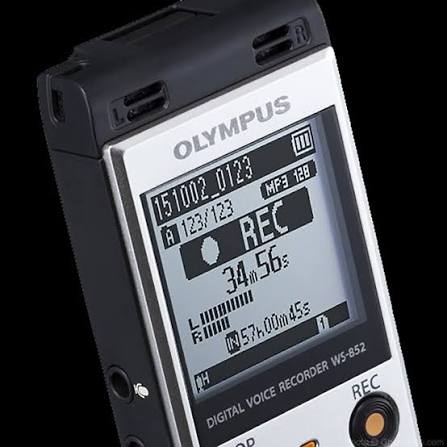
Olympus EVP Recorder with USB and LIVE Listening
Check out the Olympus Digital EVP Recorder Below. Click on the image below.
EVP vs Audio Pareidolia FAQ: Real Voices or Brain Interpretation?
What is EVP in paranormal research
EVP stands for Electronic Voice Phenomena. It refers to unexplained sounds or voices captured on audio recordings that were not heard during the original recording session.
What is audio pareidolia
Audio pareidolia is a natural brain process where people hear words or voices in random or unclear sounds such as static, white noise, or background interference.
How can you tell if an EVP is real or pareidolia
A real EVP usually sounds consistent, has natural speech patterns, and is heard the same way by multiple listeners without suggestion.
Why do people hear voices in static
The brain is wired to recognize speech. When sounds are unclear, the brain fills in gaps using memory and expectation.
Can anxiety make EVP sound more real
Yes. Anxiety and emotional stress can increase sensitivity to sound patterns, making audio pareidolia more likely.
Are EVP recordings dangerous to mental health
Listening to EVP is not harmful on its own, but repeated analysis can increase anxiety or fear if not approached calmly.
Do EVP voices change over time
Audio pareidolia can seem to change with repeated listening. A genuine voice usually stays consistent.
Is it normal to hear different words each time
Yes. This is common with pareidolia and happens when the brain searches for meaning in noise.
Should EVP be analyzed alone or with others
Analyzing EVP with multiple independent listeners helps reduce bias and improve accuracy.
Does filtering audio make EVP more accurate
Heavy filtering can create false voices. Minimal audio processing is best.
Can EVP be recorded on a phone
Yes. Smartphones can capture EVP, but they also record background noise that can lead to misinterpretation.
Is audio pareidolia a mental illness
No. It is a normal brain function and does not indicate a mental health disorder.
Can grief influence EVP experiences
Yes. Grief can heighten emotional sensitivity and increase the likelihood of hearing meaningful sounds.
Why do some people strongly believe an EVP is real
Belief, emotion, expectation, and personal experiences all influence perception.
Should you stop EVP research if it causes fear
Yes. Taking a break and focusing on emotional grounding is always recommended if fear or anxiety increases.
Trusted References on EVP Research and Audio Pareidolia
1. Electronic Voice Phenomenon on Wikipedia
This article explains what EVP is, how it is interpreted in paranormal research, and how scientists often describe it as auditory pareidolia or pattern recognition.
🔗 https://en.wikipedia.org/wiki/Electronic_voice_phenomenon
2. Why Our Brains Hear Words in Random Noise (PopSci)
This article from Popular Science explores audio pareidolia, the brain’s natural tendency to hear meaningful sounds in random noise, and why this happens psychologically.
🔗 https://www.popsci.com/science/hear-words-in-noise/




- How to Record EVP on the Jürgenson Frequency - December 28, 2025
- How to Tell if a House is Haunted or Just Old? - December 26, 2025
- How to Tell if an EVP is a Real Voice or Audio Pareidolia - December 19, 2025