Contents
- How to Tell If a House Is Haunted or Just Old | Signs Explained
- Is Your House Haunted or Just Showing Its Age? What Every Homeowner Should Know First
- Understanding Why Old Houses Feel Creepy
- Step One: Listen to the Sounds Carefully
- Step Two: Watch for Physical Changes in the Environment
- Step Three: Pay Attention to Personal Experiences
- Step Four: Research the History of the House
- Step Five: Rule Out Environmental Factors
- Step Six: Document Everything
- Haunted or Just Old? Key Differences at a Glance
- Conclusion and Final Thoughts
- Frequently Asked Questions About Haunted Houses vs Old Homes
How to Tell If a House Is Haunted or Just Old | Signs Explained
Common Signs of Hauntings vs Normal Aging Sounds and Structural Changes
Is Your House Haunted or Just Showing Its Age? What Every Homeowner Should Know First
Learn how to tell if a house is haunted or just old. Discover common paranormal signs, normal aging noises, and how to tell the difference before jumping to conclusions.
Walking into an old house can stir up powerful emotions. The floors creak. The walls seem to whisper. Shadows stretch longer than expected.
For many people, the first question that comes to mind is simple but unsettling. Is this house haunted, or is it just old?
This question has been asked for centuries. Old homes carry history, memories, and energy. Some of that energy feels comforting.
Some of it feels unsettling. The challenge is knowing when strange experiences are caused by natural aging and when they may point to something unexplained.
As a paranormal researcher and investigator, I have walked through hundreds of historic homes.
Some were quiet and peaceful. Others felt heavy the moment you stepped inside. The truth is that many signs of hauntings overlap with normal structural issues.
That overlap creates confusion, fear, and sometimes false conclusions.
This guide breaks everything down step by step. You will learn how to tell the difference between normal aging noises and potential paranormal activity.
You will understand what to look for, what to rule out, and when something truly deserves a closer look.
Everything is explained in clear language, using real world examples and practical reasoning.
By the end of this article, you will feel more confident walking into any old house, whether it is your home, a rental, or a place you are considering buying.
You can tell if a house is haunted or just old by looking for consistent patterns rather than isolated events. Old houses make noises from settling, temperature changes, and aging materials. A potentially haunted house shows repeated unexplained activity, such as intelligent sounds, objects moving without cause, or shared experiences among multiple people that cannot be explained by structural or environmental issues.
Understanding Why Old Houses Feel Creepy
Before jumping to conclusions, it helps to understand why old homes often feel unsettling even when nothing paranormal is happening.
The Psychology of Old Homes
Old houses trigger the imagination. They remind us of the past, including people who lived and died there. This alone can create unease.
Here are common psychological reasons old houses feel haunted:
- Silence feels louder
Modern homes have constant background noise. Old homes are often quieter, making every sound stand out. - Unfamiliar layouts
Narrow hallways, low ceilings, and hidden rooms can create disorientation and anxiety. - Dim lighting
Older homes were not designed for bright lighting. Shadows naturally appear more dramatic. - Expectation bias
If you expect something strange, your brain looks for confirmation.
Understanding this mental layer helps you stay grounded as you evaluate real experiences.
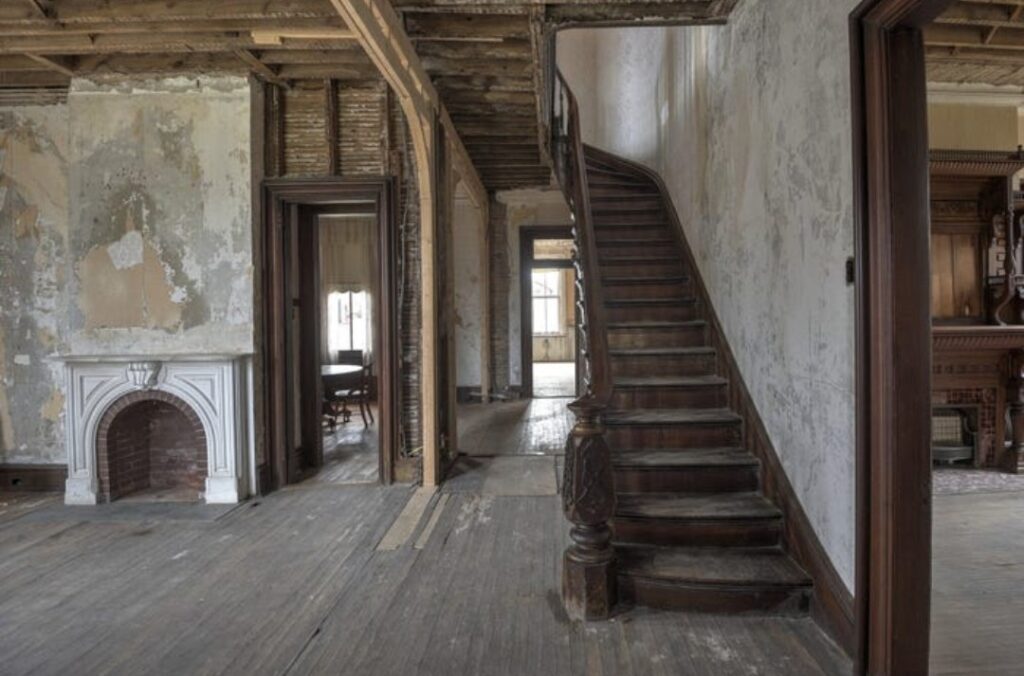
Step One: Listen to the Sounds Carefully
Sounds are the number one reason people believe a house is haunted. Most of the time, these noises have very normal explanations.
Common Old House Noises That Are Not Paranormal
Old houses move. Materials expand and contract. Wood settles. Pipes shift.
Here are the most common non paranormal sounds:
- Creaking floors
Wood expands with temperature changes and humidity. This often happens at night. - Knocking or tapping
Pipes heating or cooling can cause sharp knocking sounds inside walls. - Scratching noises
Small animals, squirrels, or mice often live in attics or walls. - Wind whistling
Gaps in windows, chimneys, or siding can create eerie sounds during storms.
These noises usually follow patterns. They happen at certain times of day or during weather changes.
Sounds That May Deserve More Attention
Some sounds stand out because they do not follow normal patterns.
Pay closer attention if you notice:
- Footsteps that move from room to room
Especially when no one else is home. - Voices or whispering
Clear speech with tone and emotion, not muffled noise. - Objects being moved
Items shifting location without explanation. - Sounds responding to people
Knocks or taps that seem to answer questions.
Consistency matters here. One strange noise means little. Repeated intelligent sounds deserve investigation.
5 Hidden Signs Your House Might be Haunted Video Below
This video explains common signs of a haunted house and how to tell them apart from normal noises and issues found in older homes.
Step Two: Watch for Physical Changes in the Environment
Old houses change over time. That does not automatically mean paranormal activity is present.
Normal Physical Changes in Aging Homes
Many physical signs look scary but are completely natural.
These include:
- Doors opening or closing
Uneven floors or air pressure changes can cause movement. - Cold drafts
Poor insulation creates sudden temperature changes. - Cracks in walls or ceilings
Settling foundations cause visible damage over decades. - Flickering lights
Old wiring struggles to handle modern electrical loads.
Always rule out structural issues first. Hire inspectors when needed.
Physical Signs That Feel Different
Some physical experiences feel personal or targeted.
These may include:
- Cold spots that stay in one place
Especially when no vents or drafts are present. - Doors locking or unlocking on their own
Without mechanical explanation. - Objects appearing in unusual locations
Items placed neatly or symbolically. - Repeated electrical interference
Devices malfunctioning in one specific area.
When physical changes feel intentional rather than random, they deserve closer attention.
Step Three: Pay Attention to Personal Experiences
Hauntings often involve human experiences rather than dramatic events.
Emotional and Sensory Experiences
People often report similar sensations in potentially haunted homes.
These include:
- Feeling watched
A strong sense of presence without visual confirmation. - Sudden mood shifts
Anxiety, sadness, or anger that fades when leaving the house. - Unexplained fatigue
Feeling drained after spending time in certain rooms. - Pressure sensations
Tightness in the chest or head without medical cause.
These experiences should never be dismissed or exaggerated. Context matters.
Dreams and Repeated Thoughts
Dreams can also reflect environmental stress.
Pay attention if:
- You have recurring dreams tied to the house.
- You dream of unfamiliar people or scenes.
- The dreams stop when you leave the home.
While dreams alone do not prove hauntings, patterns can be meaningful.
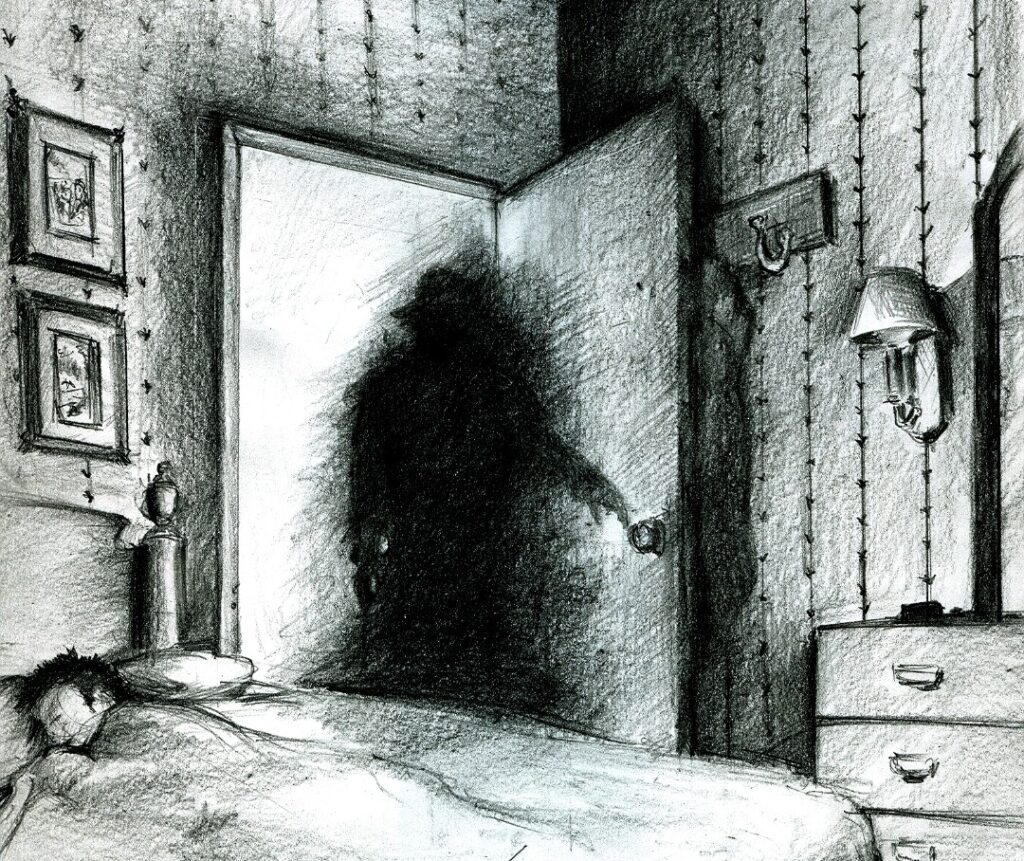
Step Four: Research the History of the House
History provides context. It does not prove hauntings, but it adds valuable insight.
What to Look for in Historical Research
Focus on factual records rather than rumors.
Helpful sources include:
- Property records and ownership history
- Local newspapers and archives
- Census data
- Historical societies
- Building permits and renovations
Look for major events like fires, accidents, or sudden deaths.
What History Can and Cannot Tell You
A tragic history does not mean a house is haunted. Many peaceful homes have dark pasts.
However, history becomes relevant when:
- Experiences align with documented events.
- Names or dates appear repeatedly.
- Activity centers around specific rooms or locations.
History supports evidence. It should not replace it.
Step Five: Rule Out Environmental Factors
Environmental conditions can mimic paranormal activity.
Common Environmental Triggers
Always rule out these factors first:
- Carbon monoxide exposure
Can cause hallucinations, fear, and confusion. - Electromagnetic fields
Old wiring can trigger anxiety and strange sensations. - Mold exposure
Can affect mood, sleep, and perception. - Poor air quality
Leads to headaches and fatigue.
These issues are serious and should be addressed immediately.
Step Six: Document Everything
If something feels off, documentation brings clarity.
How to Keep a Simple Activity Log
Write down:
- Date and time
- Location in the house
- What happened
- Who was present
- Environmental conditions
Patterns often emerge over time.
When to Seek Professional Help
Consider professional help if:
- Activity escalates
- Fear disrupts daily life
- Physical safety feels compromised
Paranormal investigators focus on evidence, not fear.
Haunted or Just Old? Key Differences at a Glance
Signs It Is Likely Just an Old House
- Noises follow weather or time patterns
- Issues explained by inspections
- Activity stops after repairs
- No emotional or physical impact
Signs It May Be Paranormal
- Repeated intelligent responses
- Strong emotional reactions in specific areas
- Objects moving with intent
- Experiences shared by multiple people
No single sign proves anything. Patterns matter most.
Conclusion and Final Thoughts
Old houses carry stories. Some are written in wood, stone, and wiring. Others are written in memory and emotion. The challenge is learning how to read the difference.
Most houses that feel haunted are simply aging. They move, breathe, and respond to their environment. Understanding this removes fear and restores peace of mind.
However, a small number of homes show patterns that go beyond normal explanation.
When experiences are consistent, intelligent, and emotionally impactful, they deserve respectful attention.
The key is balance. Stay grounded. Stay curious. Rule out the ordinary before considering the extraordinary.
Whether your house is haunted or just old, knowledge gives you control. And with clarity comes confidence, comfort, and peace.
Frequently Asked Questions About Haunted Houses vs Old Homes
How can you tell if a house is haunted or just old?
You can tell by looking for patterns. Old houses make noises due to settling, temperature changes, and aging materials. A potentially haunted house shows repeated, consistent experiences that do not match normal structural issues, such as intelligent sounds, objects moving without explanation, or shared experiences among multiple people.
Do old houses naturally make knocking and creaking sounds?
Yes, old houses commonly make knocking, popping, and creaking sounds. Wood expands and contracts with humidity and temperature changes. Pipes also create knocking sounds when water pressure shifts. These noises usually follow predictable patterns and are not paranormal.
What are the most common signs people mistake for hauntings?
The most common mistaken signs include creaky floors, cold drafts, flickering lights, doors moving due to uneven frames, and shadows caused by low lighting. These issues are typical in older homes and usually have practical explanations.
Can a haunted house cause emotional or physical symptoms?
Some people report emotional changes such as anxiety, sadness, or feeling watched in places they believe are haunted. However, these symptoms can also be caused by stress, environmental factors, poor air quality, or expectation bias. Patterns over time matter more than isolated feelings.
Are cold spots always a sign of paranormal activity?
No, cold spots are often caused by poor insulation, hidden vents, or air leaks. A cold spot may be considered unusual only if it stays in one location, cannot be explained by airflow, and occurs repeatedly under the same conditions.
Should you research the history of a house to determine if it is haunted?
Yes, researching a house’s history can provide helpful context. Property records, local archives, and historical societies may reveal past events. History alone does not prove a haunting, but it can support patterns that match current experiences.
Can environmental issues mimic paranormal activity?
Yes, environmental issues such as carbon monoxide exposure, mold, old wiring, and high electromagnetic fields can cause hallucinations, anxiety, headaches, and confusion. These factors should always be ruled out before considering paranormal explanations.
What should you do if strange activity keeps happening in your house?
Start by documenting everything. Write down dates, times, locations, and what happened. Check for environmental and structural causes. If activity continues and affects daily life, consider consulting a professional inspector or a reputable paranormal investigation team.
Is it dangerous to live in a house that might be haunted?
Most houses believed to be haunted are not dangerous. Fear usually comes from uncertainty rather than actual harm. However, if experiences cause distress, anxiety, or sleep disruption, it is important to address both emotional well being and environmental safety.
Can multiple people experiencing the same thing indicate a haunting?
Shared experiences can be more compelling than individual ones, especially when people report similar events independently. While this does not confirm a haunting, it strengthens the case for further investigation when natural explanations have been ruled out.
References
- Encyclopedia entry on haunted houses (Wikipedia)
This article explains what a haunted house is, covers how common experiences like cold spots and noises can have natural causes, and includes psychological and environmental perspectives on ghostly phenomena.
https://en.wikipedia.org/wiki/Haunted_house - Bob Vila’s guide on signs and explanations for strange house experiences
This resource helps differentiate between unsettling sounds and sightings that might seem paranormal and common home issues such as pests and structural noises.
https://www.bobvila.com/interior/is-my-house-haunted/





- How to Record EVP on the Jürgenson Frequency - December 28, 2025
- How to Tell if a House is Haunted or Just Old? - December 26, 2025
- How to Tell if an EVP is a Real Voice or Audio Pareidolia - December 19, 2025